Security Consultancy · Security Layout DesignSecurity Layout Design, Layer by Layer.
A complete, step-by-step guide to designing security for a critical facility, shown on an animated airport. From risk assessment and zoning to the perimeter, vehicle checkpoints, passenger screening, access control, CCTV and the security operations centre, see how every layer fits together, and how ASG Systems can design yours.
- Risk-based, layered design
- Design, supply and integration
- Drawings, specifications and BOQ
- Threat, vulnerability and risk assessment
- Security zoning and defence-in-depth layouts
- Device layouts, coverage plans and integration
- For airports, government, industry and more
Security layout design
What is security layout design?
Security layout design is the process of planning where and how every security measure is placed across a site, so that people, assets and operations are protected by several layers that work together, not by a single wall or a single camera.
It starts with understanding the threats and the site. The facility is divided into security zones, from open public areas to critical rooms. Each zone gets the right mix of physical barriers, detection, access control, screening, surveillance and response, and every system is connected to a central security operations centre.
This approach is called defence in depth. An intruder must defeat one layer after another, while each layer deters, detects and delays them long enough for the response team to act. It is the same principle used to protect airports, seaports, government buildings, data centres and industrial plants around the world.
Deter. Detect. Delay. Deny. Respond. Good security layout design makes every layer count, and makes sure nothing falls through the gaps between them.
Our design method
How we design a complete security layout
Eight steps take a project from the first risk workshop to a tested, handed-over system. Each step builds on the one before it.
- AssessThreats, vulnerabilities, site survey and stakeholder needs.
- DesignSecurity zoning and the layered layout of every measure.
- IntegrateOne connected system, with drawings, specifications and BOQ.
- DeliverImplementation support, testing, training and handover.
Example: airport security layout
A complete airport security layout, animated
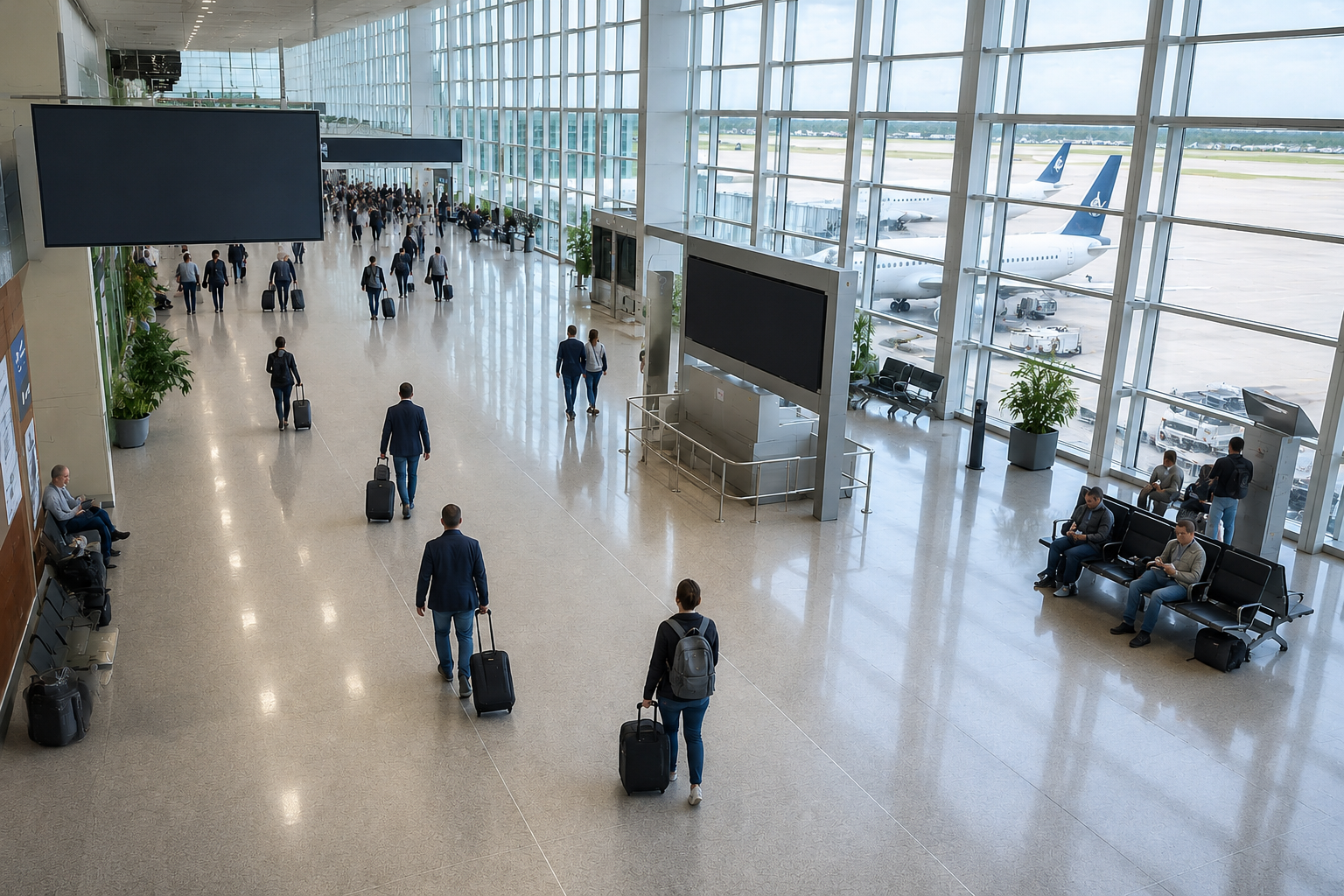
Airports are one of the most demanding places to secure, so they are the perfect example. Follow the eleven layers from the fence line to the aircraft. Tap any layer to highlight it on the plan.
Layer 1 of 11
Perimeter and intrusion detection
The outer fence is the first line of defence. A clear zone, intrusion detection on the fence and below ground, thermal cameras, lighting and a patrol road let the team see and stop anyone who tries to cross it, zone by zone.
Layer 2 of 11
Vehicle checkpoint on the approach road
Every vehicle is controlled before it reaches the terminal. Bollards, road blockers, number plate recognition and under-vehicle inspection keep hostile vehicles at a safe distance.
Layer 3 of 11
Car parks and curbside
Car parks and drop-off roads are watched by cameras, with parking guidance, help points, lighting and rules that stop vehicles waiting at the terminal front.
Layer 4 of 11
Landside terminal
The public check-in hall is monitored with CCTV and analytics for unattended bags, crowding and unusual behaviour, with guards and help points on hand.
Layer 5 of 11
Passenger and baggage screening
The security line between landside and airside. Every passenger and cabin bag is screened, and hold baggage is screened on the conveyor before it goes to the aircraft.
Layer 6 of 11
Airside departure gates
Only screened passengers and authorised staff are here. Boarding pass checks, access-controlled doors and cameras keep this sterile area clean.
Layer 7 of 11
Apron and aircraft
Aircraft stands, service roads and equipment are protected by patrols, cameras, lighting and strict pass checks for every person and vehicle.
Layer 8 of 11
Staff and vehicle access to airside
Staff, contractors and service vehicles enter through dedicated access points with ID cards, biometrics, screening and vehicle searches.
Layer 9 of 11
Cargo terminal
Cargo is screened or comes from a secure supply chain, is sealed and tracked, and is kept apart until it is loaded on the aircraft.
Layer 10 of 11
Critical assets
The fuel farm, control tower, power plant and fire station are high-value targets with their own fences, access control, alarms and cameras.
Layer 11 of 11
Security operations centre
The brain of the layout. Every alarm, camera, door and sensor is monitored here, and the team coordinates guards, police and emergency services.
From plan to reality
What layer 5 looks like on the ground
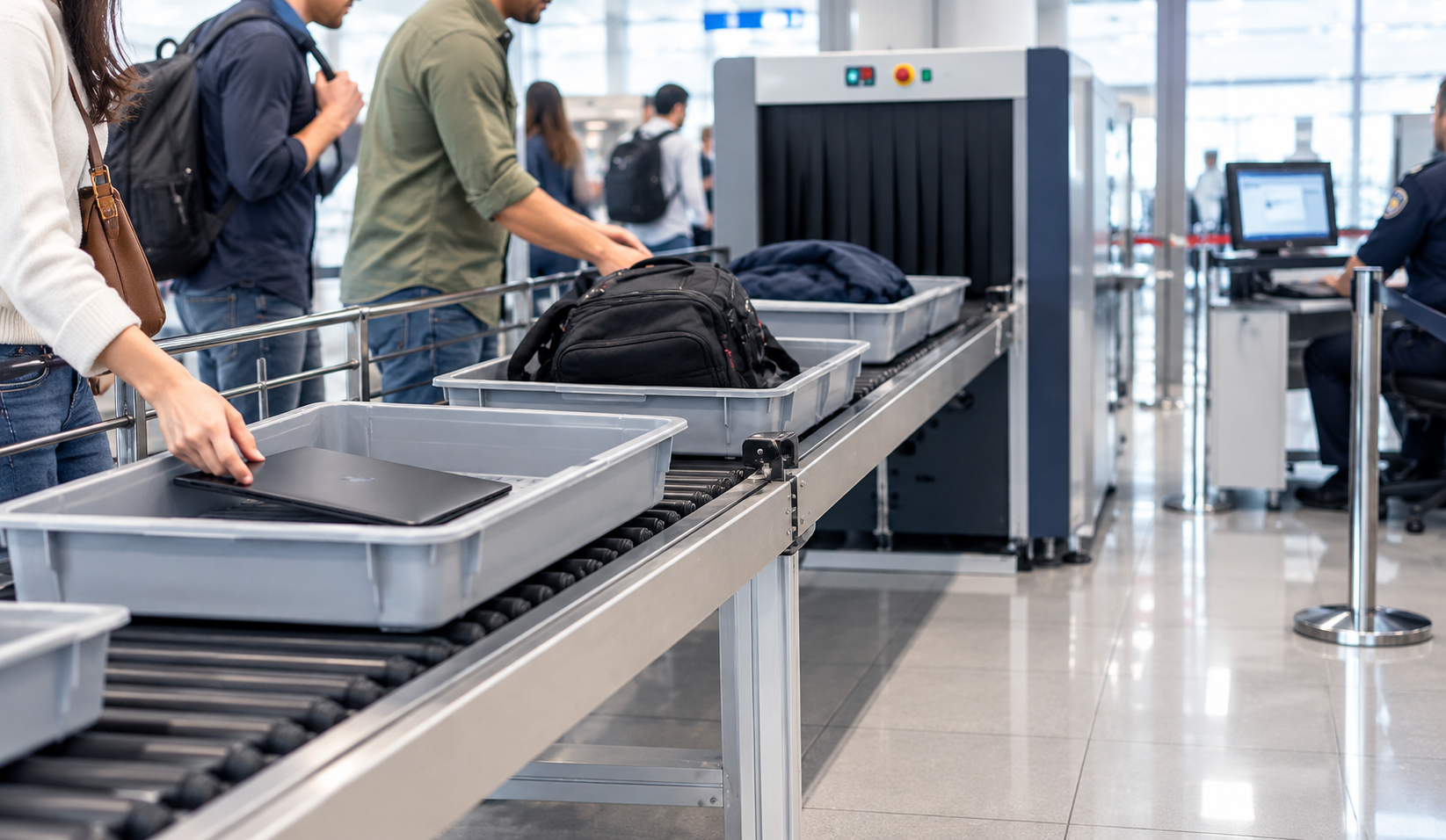
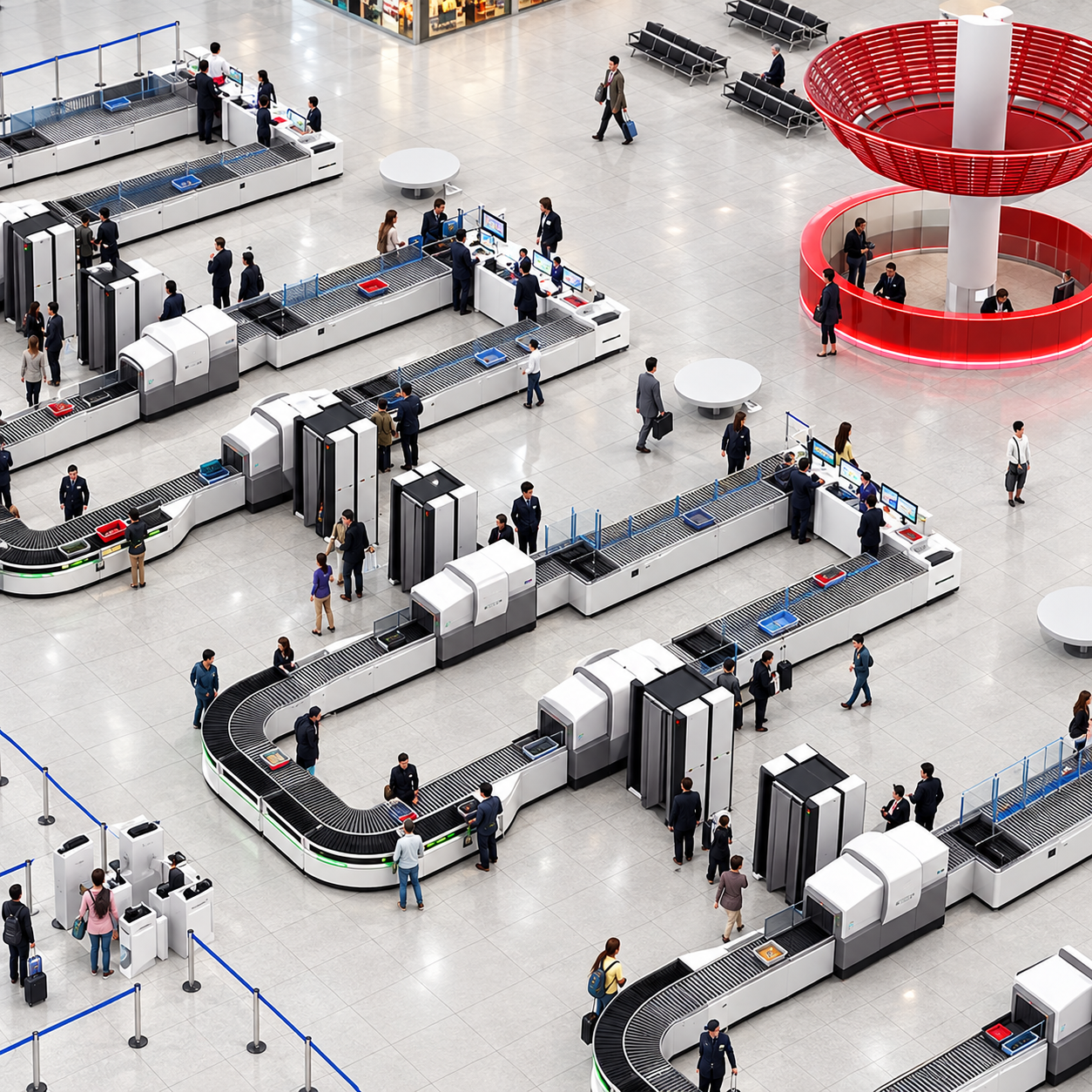
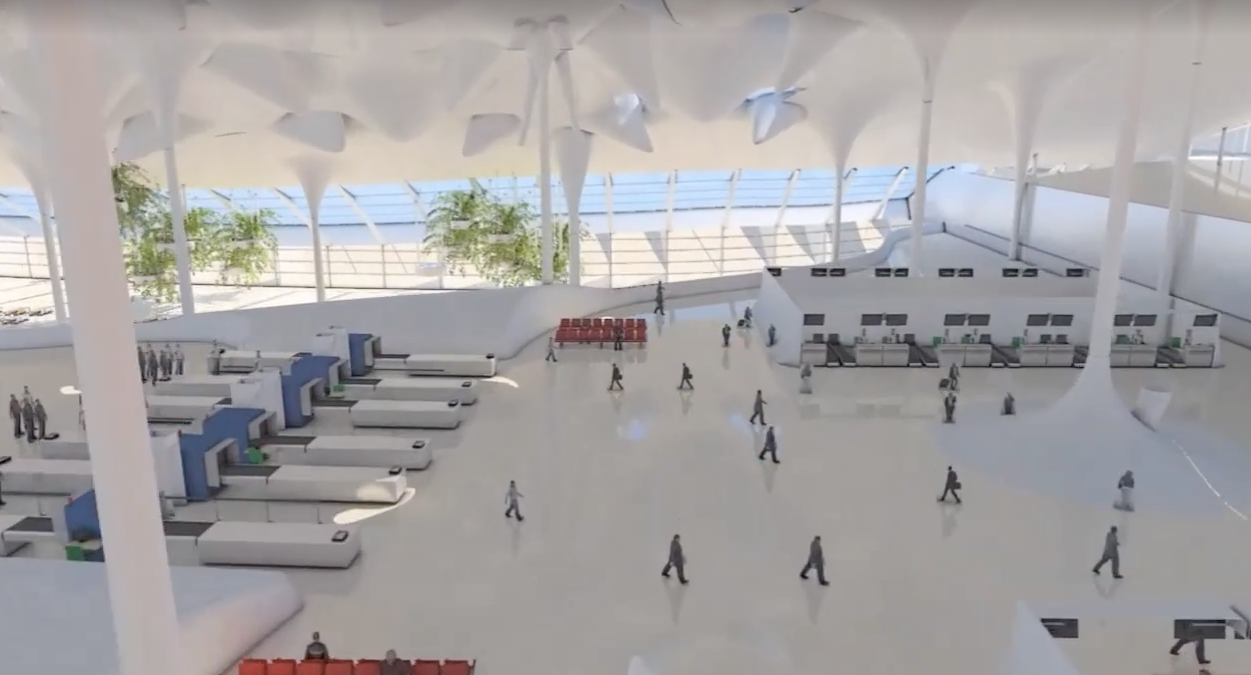
On the plan, passenger screening is a red box on the security line. In the terminal, it becomes a carefully planned checkpoint: loading tables with trays, X-ray baggage scanners, walk-through gates, search areas and reclaim tables, all sized for the busiest hour.
- Divest area where passengers place bags, laptops and liquids in trays
- X-ray baggage scanner with an operator screen for every lane
- Walk-through gate beside each scanner, with hand-held checks
- Reclaim tables and a private search room after screening
Illustrative layout for education. Every real airport and facility needs its own risk assessment and design.
Step by step, A to Z
Security layout design in 15 steps
The complete method we follow for airports and other critical facilities. Each step adds a layer, and together they create security that is strong, practical and easy to run.
Step 01
Threat, vulnerability and risk assessment
Every good layout starts with understanding what you are protecting, from whom and how likely each threat is. We rank risks so that the budget goes where it matters most.
- Identify assets, people and operations to protect
- List credible threats, from theft to vehicle attacks and insider threats
- Survey the site for weak points and blind spots
- Score each risk by likelihood and impact
- Agree the security objectives with stakeholders
Step 02
Security zoning
The site is divided into zones with increasing levels of protection. Clear boundaries tell everyone who may enter where, and what checks they must pass.
- Public zone open to everyone
- Landside controlled areas with monitoring
- Security restricted areas behind screening
- Critical parts with the strictest access
- Clear, controlled transitions between zones
Step 03
Perimeter protection
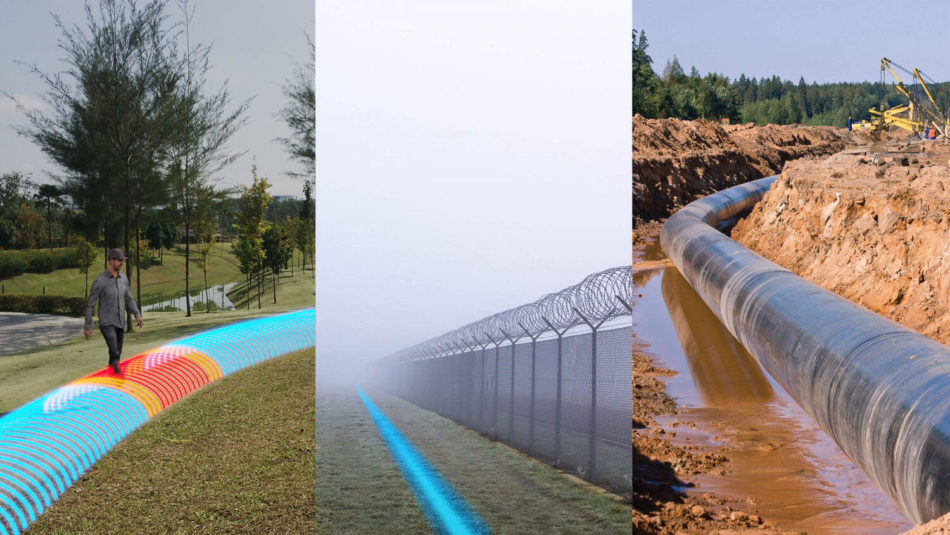
The perimeter is the outermost layer. It should deter, detect and delay anyone trying to get in, and show the control room exactly where.
- Security fencing with anti-climb and anti-dig features
- Fence-mounted, buried and radar intrusion detection
- Thermal and PTZ cameras on every zone
- Perimeter lighting and a clear zone on both sides
- Patrol road and response routes
Step 04
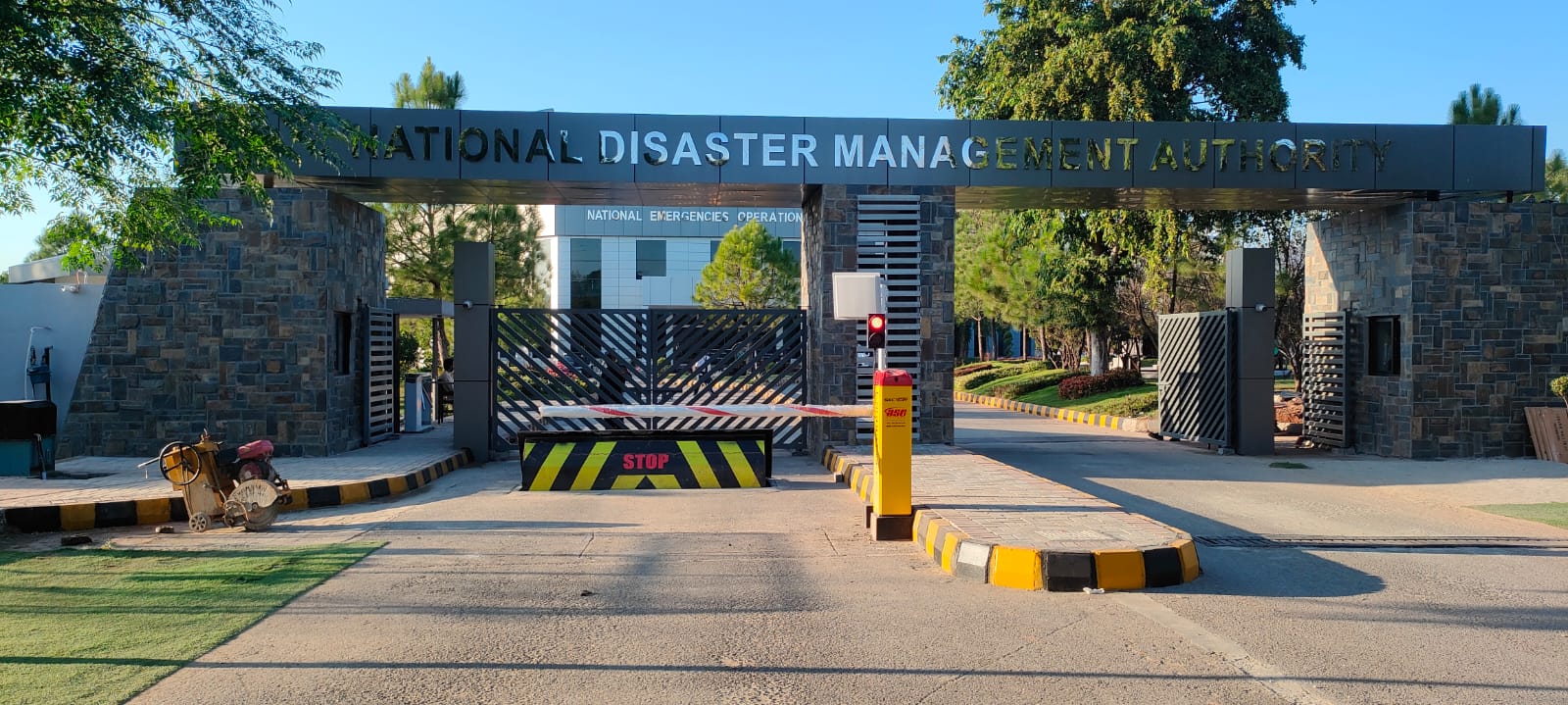
Vehicle approach and hostile vehicle mitigation
Vehicles are the biggest threat to crowded entrances. The approach road is designed to slow, check and stop vehicles far from people and buildings.
- Stand-off distance between roads and buildings
- Crash-rated bollards and road blockers
- Number plate recognition and watch lists
- Under-vehicle inspection at checkpoints
- Speed control with road layout and barriers
Step 05
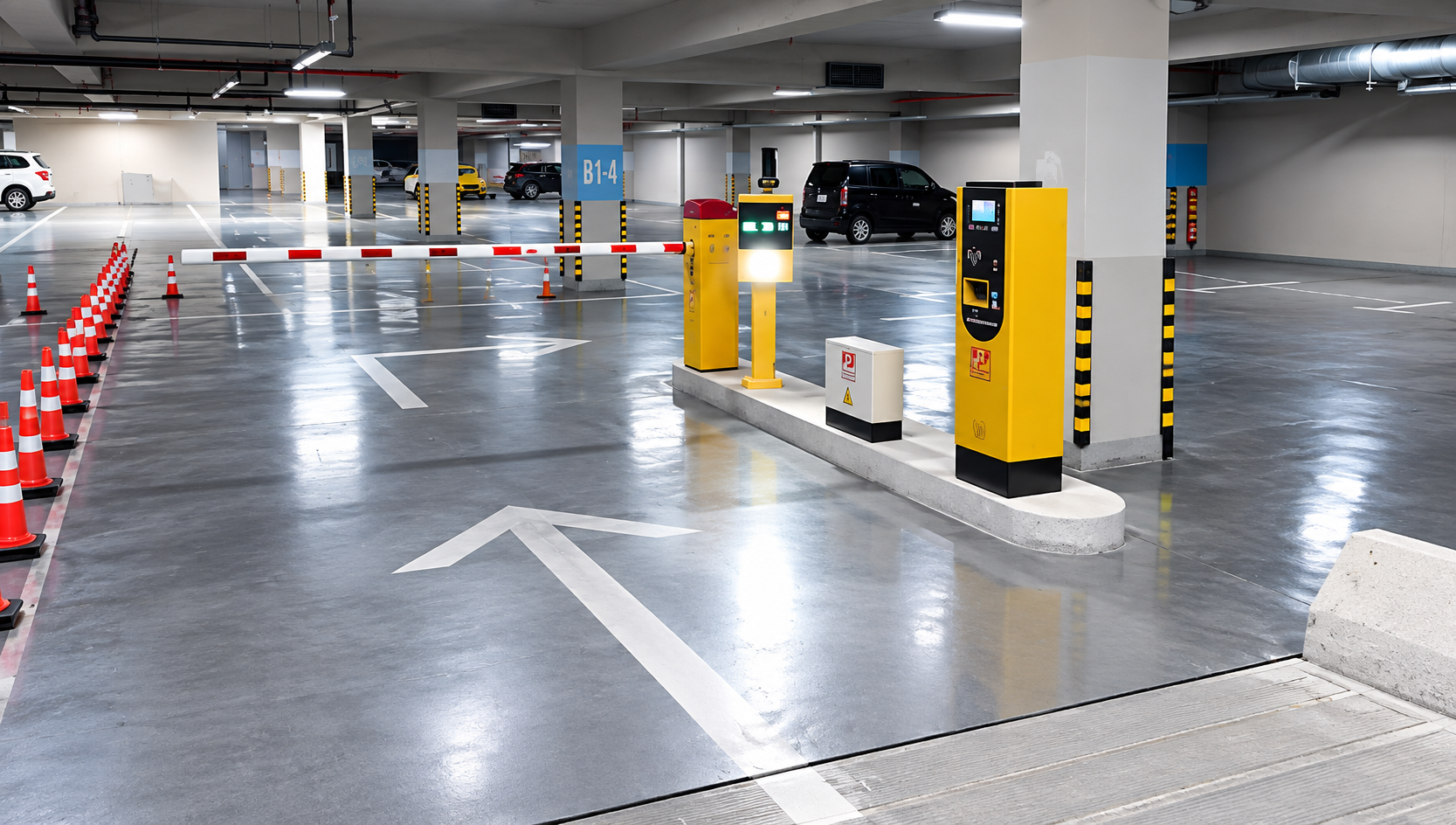
Car parks, roads and curbside
Car parks and drop-off zones must be safe for users and hard to misuse, with clear routes, good lighting and full camera coverage.
- Controlled entry and exit with barriers and tickets
- Parking guidance and occupancy monitoring
- Full CCTV coverage with number plate capture
- Help points, lighting and signage
- No-waiting rules at the building front
Step 06
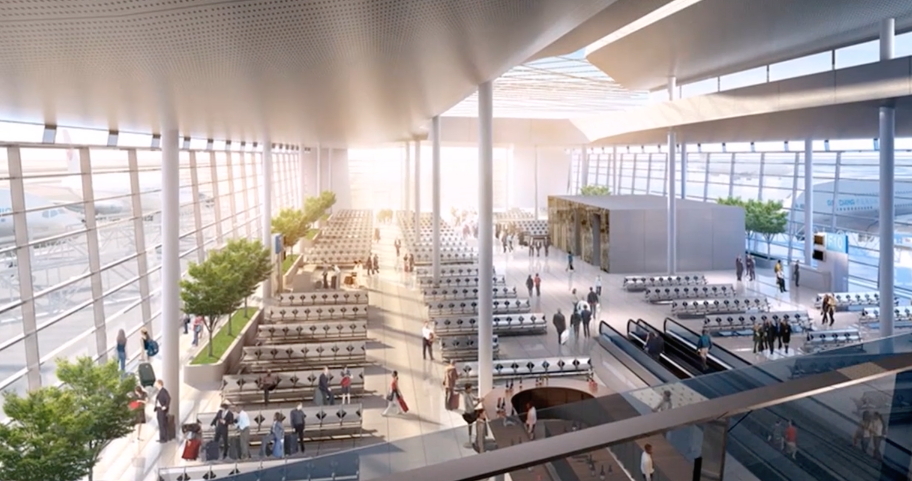
Public areas of the building
Public halls are busy and open, so security depends on seeing problems early and responding fast without disturbing visitors.
- CCTV with analytics for unattended objects and crowding
- Protective glazing and robust entrances
- Guards, help points and clear sightlines
- Public address and digital signage for alerts
- Entrance screening where the risk is high
Step 07
Passenger and baggage screening
Screening is the line between public and restricted areas. It must be thorough, fast and respectful, for people, cabin bags and hold baggage.
- X-ray scanners and walk-through gates for passengers
- Hand-held detectors and search areas
- Multi-level hold baggage screening
- Enough lanes for peak hours
- Separate lanes for staff and crew
Step 08
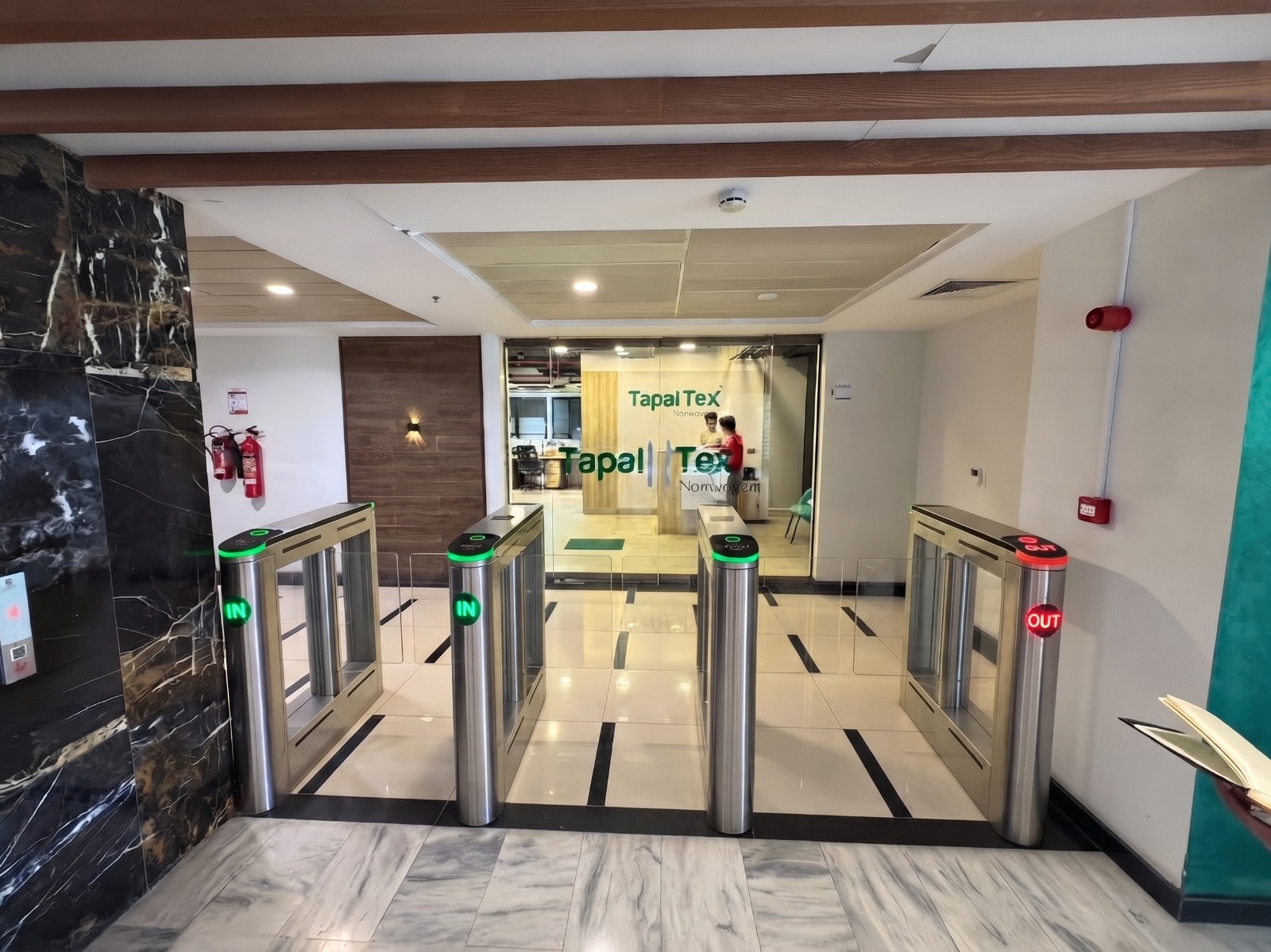
Staff access control and identity
Most people inside restricted areas are staff. Strong identity and access control makes sure every one of them is who they say they are.
- ID cards with photo, zones and expiry
- Card, PIN and biometric readers
- Speed gates and turnstiles with anti-passback
- Staff screening at airside entry points
- Visitor and contractor management
Step 09
Airside, apron and aircraft protection
Operational areas are protected by strict pass rules, patrols and cameras, so only authorised people and vehicles come near aircraft and equipment.
- Airside pass checks for people and vehicles
- Regular patrols of stands and service roads
- Camera coverage of every stand
- Lighting of aprons and equipment areas
- Aircraft and equipment security checks
Step 10
Cargo and supply chain security
Cargo, mail and supplies can hide threats. They are screened or come from a secure, audited supply chain before reaching restricted areas.
- Cargo and mail screening with large X-ray scanners
- Secure, sealed and tracked consignments
- Vehicle and driver checks at cargo gates
- Screened stores and catering supplies
- Separate, controlled cargo areas
Step 11
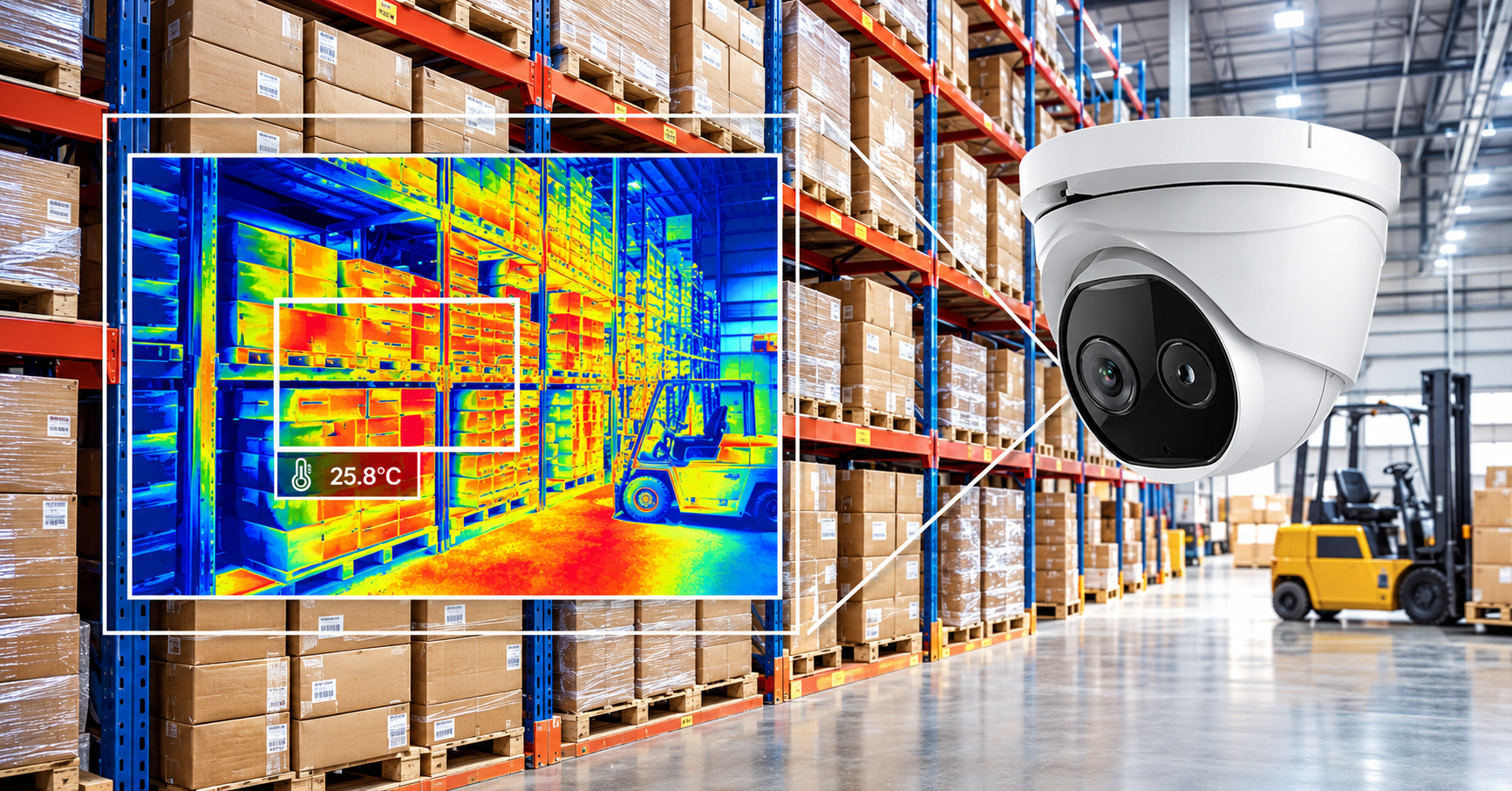
Video surveillance and analytics
Cameras connect every layer. The layout places the right camera in the right place, with coverage plans so that there are no blind spots.
- Coverage plans for every zone and entrance
- Thermal cameras on the perimeter
- Face and number plate recognition where needed
- Analytics for intrusion, loitering and crowding
- Recording and retention to meet requirements
Step 12
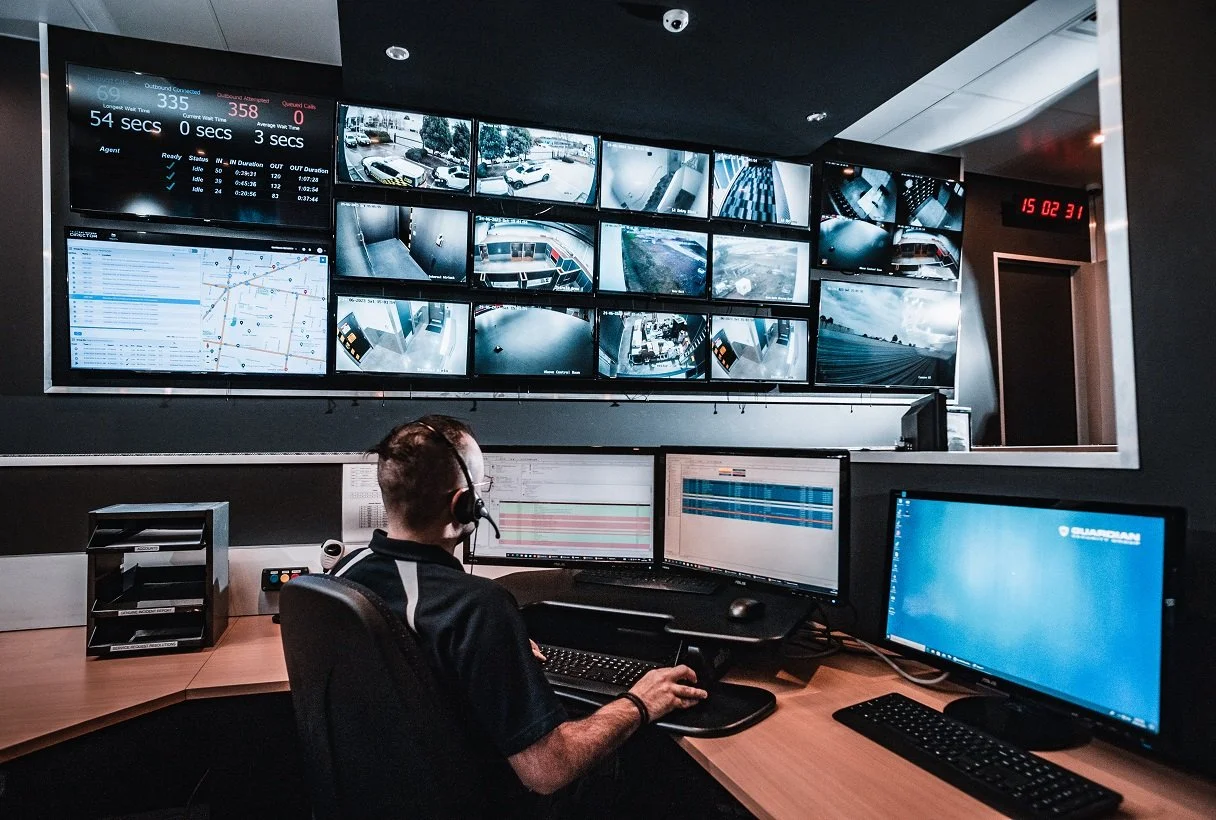
Security operations centre and integration
The security operations centre brings every system together, so operators see one picture and can respond in seconds.
- Video wall and operator workstations
- Integration of CCTV, access, intrusion and fire
- Alarm handling with clear procedures
- Radio and communication with guards and police
- Reports, audit trails and incident logs
Step 13
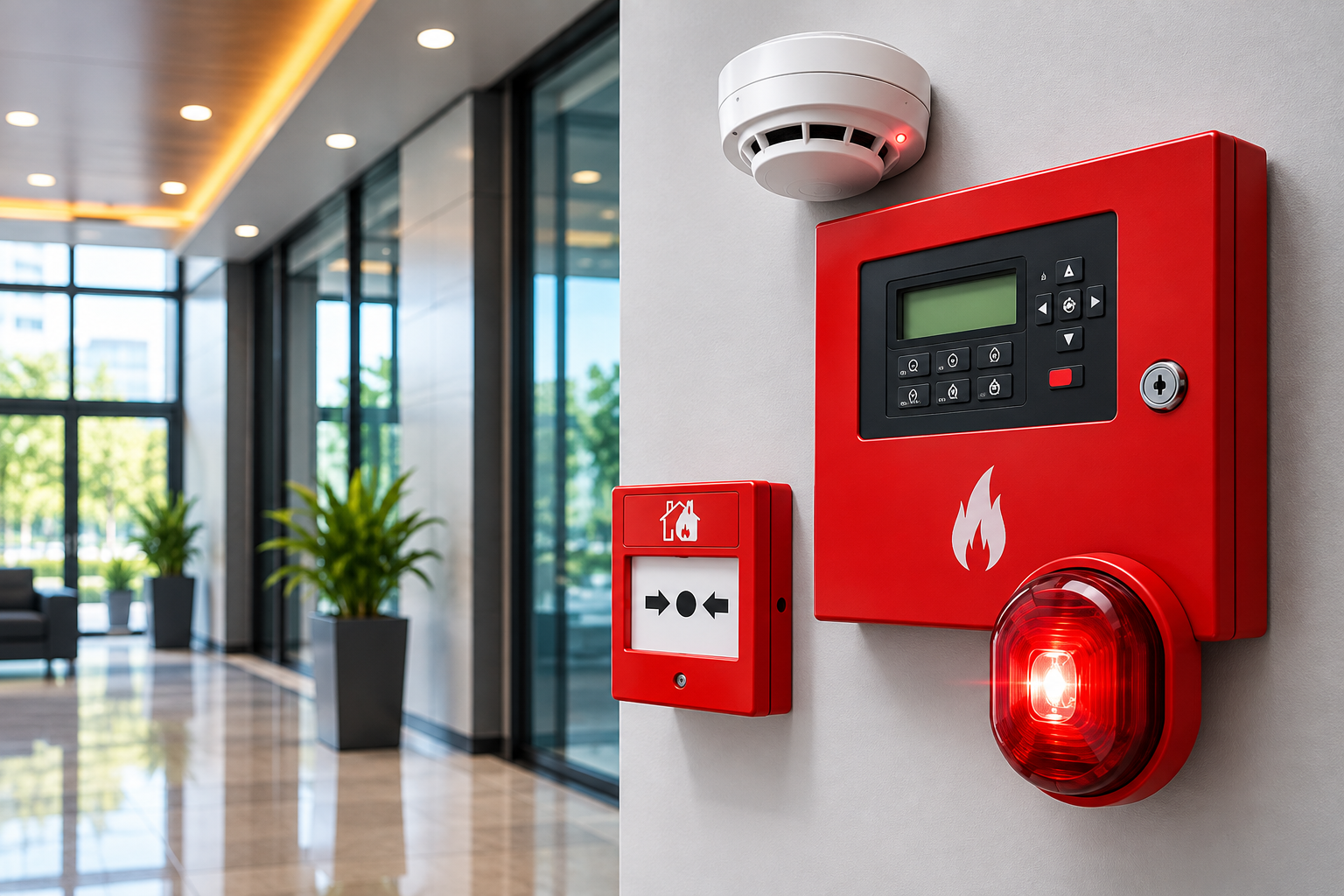
Fire, life safety and mass notification
Security and safety work together. The layout makes sure people can always escape, and that everyone gets the right message in an emergency.
- Fire detection and alarm linked to the SOC
- Doors that fail safe for escape
- Voice evacuation and public address
- Emergency lighting and exit signs
- Mobile and SMS mass notification
Step 14
Resilience: power, network and cyber
Security systems must keep working when things go wrong: during power cuts, cable damage or a cyber attack.
- UPS and generator backup for security loads
- Redundant, ring-topology security network
- Separate security network from business IT
- Hardened devices, passwords and updates
- Regular backup and recovery tests
Step 15
People, procedures, training and drills
Technology only works with trained people and clear procedures. The design includes how guards, operators and staff will run it every day.
- Security procedures for every zone and role
- Operator and guard training
- Regular drills and exercises
- Audits and performance checks
- Continuous improvement as threats change
At a glance
Security layers and the systems that protect them
A quick summary of each layer in an airport security layout, and the typical measures used.
| Layer | Purpose | Typical systems |
|---|---|---|
| Perimeter | Deter, detect and delay intruders | Security fencing, intrusion detection, thermal cameras, lighting, patrols |
| Vehicle approach | Keep hostile vehicles away | Bollards, road blockers, number plate recognition, under-vehicle inspection |
| Car parks and curbside | Safe, controlled parking | Barriers, parking guidance, CCTV, help points |
| Public areas | Spot threats early in open areas | CCTV analytics, guards, protective glazing, public address |
| Screening | Separate public and restricted areas | Baggage scanners, walk-through gates, hand-held detectors |
| Restricted areas | Only authorised people inside | Access control, biometrics, speed gates, ID cards |
| Critical assets | Protect high-value targets | Dedicated fences, access control, alarms, cameras |
| Command and control | See everything, respond fast | Security operations centre, integration, communications |
What you receive
Security design deliverables
Our security layout design gives your team, architects, engineers and contractors everything they need to build the right system, the first time.
- Security risk assessment reportThreats, vulnerabilities, risk ratings and recommendations.
- Security zoning and layout plansZones, boundaries, checkpoints and routes on your site plans.
- Device layouts and coverage plansCameras, sensors, readers and barriers, with camera coverage maps.
- System architecture and schematicsNetwork, power, integration and control room design.
From design to delivery
- Specifications and BOQClear technical specifications and a bill of quantities for tendering.
- Tender and vendor supportHelp to compare offers and select the right solutions.
- ImplementationSupply, installation and integration by ASG Systems, or oversight of others.
- Testing and handoverSite acceptance tests, training, procedures and documentation.
Beyond airports
Security layout design for every critical facility
The same layered method protects any site. We adapt it to each facility’s risks, people and operations.
Airports and airfields
Perimeter, screening, airside access, cargo and command centres.
Seaports and logistics hubs
Gate automation, container and vehicle screening, waterside security.
Government and embassies
Hostile vehicle mitigation, visitor screening and secure zones.
Data centres
Layered access, mantraps, cages and around-the-clock monitoring.
Industrial and energy sites
Long perimeters, critical assets and remote monitoring.
Banks and financial centres
Vaults, cash centres, branches and head offices.
Hospitals and campuses
Open yet safe environments with controlled sensitive areas.
Malls, hotels and stadiums
Crowded places protected without spoiling the visitor experience.
Housing societies and estates
Gated communities with perimeter, entrances and patrols.
Why ASG Systems
Why choose ASG Systems for security consultancy
Designers who also build and support what they design.
Complete, layered thinking
Perimeter to control room, planned as one system.
Practical, buildable designs
Hands-on installation experience in every drawing.
Full technology range
PIDS, fencing, screening, access, CCTV, fire and automation.
Experience since 1997
Decades of security and building technology projects.
Security consultancy in Pakistan and worldwide
We provide security layout design and consultancy from Lahore to projects across Pakistan, including Karachi, Islamabad, Rawalpindi, Faisalabad, Multan and Peshawar, and work with international clients, architects and contractors on projects abroad.
FAQs
Security layout design FAQs
Answers to common questions from facility owners, architects and security managers.
What is security layout design?
Security layout design is the planning of where and how security measures such as fences, barriers, screening, access control, cameras and control rooms are placed across a site, so that they work together as layers to protect people and assets.
What is defence in depth?
Defence in depth means protecting a site with several independent layers instead of one. An intruder has to defeat each layer in turn, which gives more chances to detect them and more time for the response team to act.
How is an airport security layout organised?
An airport is divided into landside public areas and airside restricted areas. Layers include the perimeter, vehicle checkpoints, car parks, the terminal, passenger and baggage screening, staff access points, the apron, cargo areas, critical assets and a security operations centre.
When should security design start in a new project?
As early as possible, ideally at concept design. Planning security with the architecture saves money, avoids costly changes later and produces layouts that are both safer and easier to operate.
Can you design security for an existing facility?
Yes. We audit the current systems and procedures, find gaps, and prepare an upgrade plan that improves protection in phases while the facility keeps running.
What is a security risk assessment?
It is a structured review of the assets you need to protect, the threats they face and their vulnerabilities. Each risk is rated by likelihood and impact, which guides where to invest in security.
What is hostile vehicle mitigation?
Hostile vehicle mitigation protects people and buildings from vehicles used as weapons, using stand-off distance, road layout, crash-rated bollards, road blockers and controlled vehicle checkpoints.
What does a security operations centre do?
A security operations centre monitors all security systems in one place, handles alarms, watches cameras, controls doors and barriers and coordinates guards and emergency services during incidents.
Do you only design, or also install?
Both. ASG Systems can deliver the design only, support your contractor, or supply, install, integrate and maintain the complete security system.
Do you work on projects outside Pakistan?
Yes. Our security layout design and consultancy services are available to international clients, and we can work remotely from drawings and site information together with on-site visits when needed.
Plan Your Security Layout With ASG Systems
Share your site plans or book a consultation. We will assess the risks and design a complete, layered security layout for your airport, facility or project, anywhere in the world.
