A road blocker is the strongest everyday tool for stopping a vehicle at a gate. When it rises, a heavy steel plate blocks the whole lane; when it lowers, cars drive over it as if it were part of the road. In Pakistan, road blockers protect government buildings, airports, banks, embassies, hotels and industrial sites. This guide explains how a road blocker works, the main types, where it makes sense, how installation is done and what to plan for, with photos from a project ASG Systems completed this month at The Nishat Hotel in Islamabad. If you are ready for a quote, see our main page on road blocker in Pakistan.
What is a road blocker?
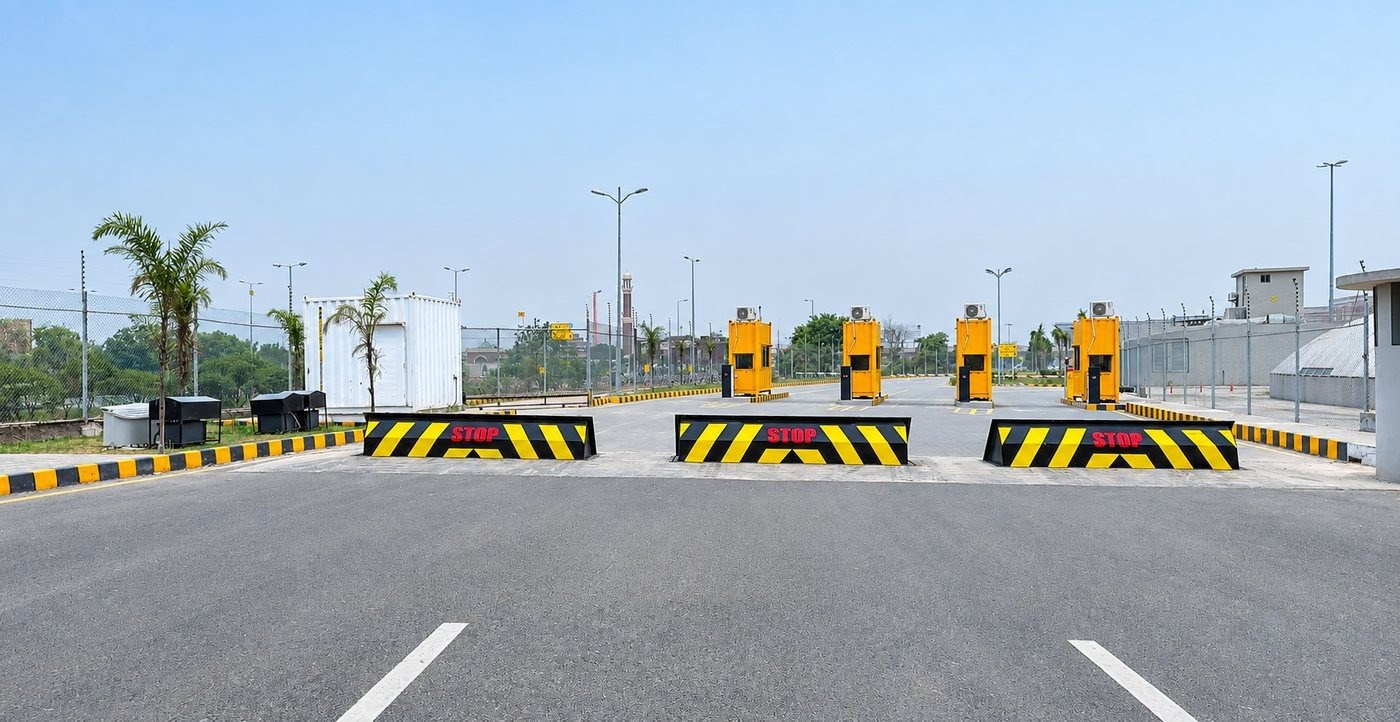
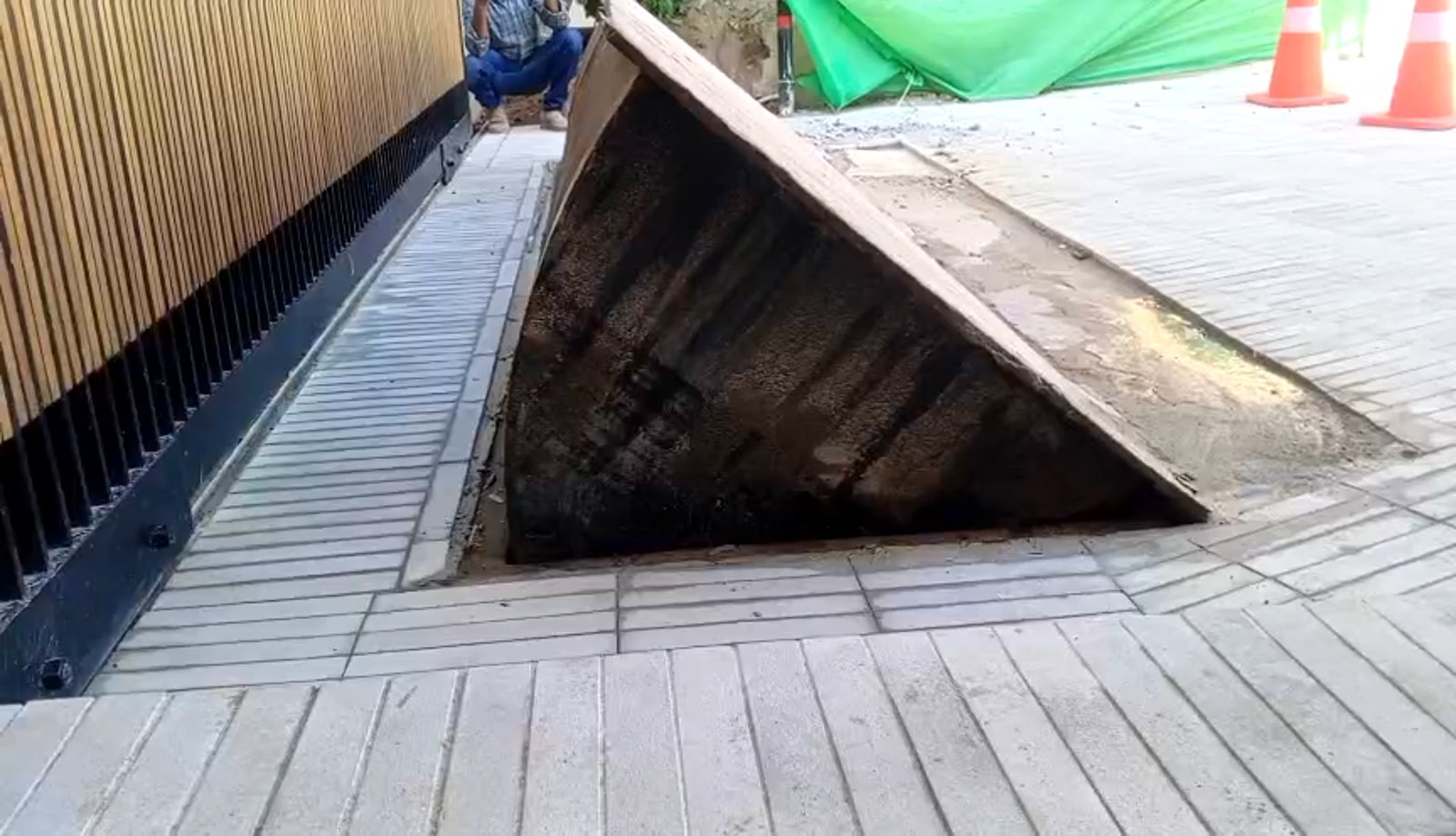
A road blocker, also called a road barrier, wedge barrier or vehicle blocker, is a steel plate set into a pit across the road. A hydraulic or electro-mechanical system raises the front edge of the plate to form a solid wedge that stops vehicles. Unlike a boom barrier, which is only an arm that controls traffic, a road blocker physically stops a vehicle that tries to force its way through.
How a road blocker works
- Raised (closed): the plate is lifted at an angle and blocks the full lane.
- Lowered (open): the plate sits flush with the road surface, with an anti-skid top so vehicles drive over it safely.
- Control: a guard opens it with a push button, remote or access control system such as RFID tags or ANPR cameras.
- Emergency mode: many models have an emergency fast operation button that raises the plate quickly if a threat is detected.
- Safety: vehicle detection loops, warning lights and traffic signals help prevent the plate rising under a car.

Types of road blockers
Hydraulic road blockers
The most common type in Pakistan. A hydraulic power unit drives cylinders that lift the plate. They are strong, suit heavy daily use and are available in crash-rated versions for high-security sites.
Electro-mechanical road blockers
These use an electric motor and gear system instead of hydraulic oil. They need less maintenance of hydraulic parts and suit sites that prefer an oil-free system.
Shallow-mount road blockers
Designed for sites where a deep pit is not possible, for example over underground pipes, cables or a basement roof. They need much less excavation.
Crash-rated road blockers
Tested to international vehicle impact standards such as ASTM F2656, PAS 68 or IWA 14, which certify the vehicle weight and speed the blocker can stop. They are used at embassies, defence sites, airports and critical infrastructure. Always ask for the test certificate, not just a claim.
Where should you use a road blocker?
Choose a road blocker when a vehicle must be physically stopped, not just slowed down. Typical sites include:
- Government buildings, ministries and police or military sites
- Airports and vehicle checkpoints, often with an under vehicle surveillance system (UVSS)
- Banks, cash centres and data centres
- Embassies and consulates
- Hotels and high-end commercial buildings
- Oil, gas and power facilities
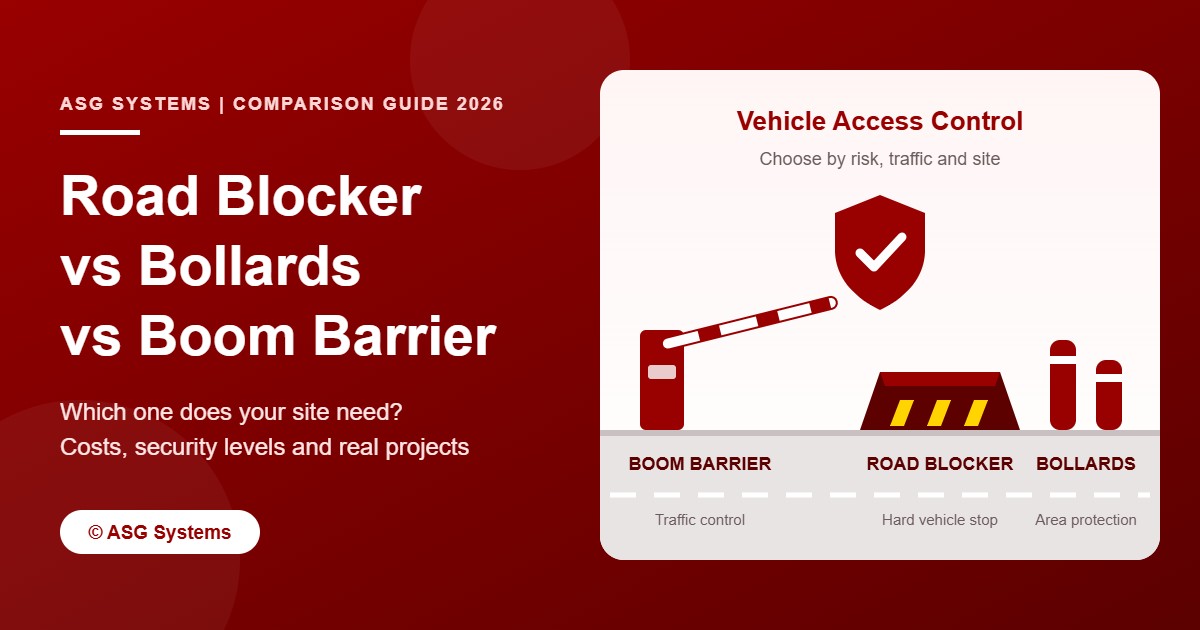
For wide open frontages or pedestrian areas, automatic bollards are often the better fit, and many sites combine both. Our road blocker vs bollards vs boom barrier guide compares them side by side.
Case study: The Nishat Hotel, Islamabad
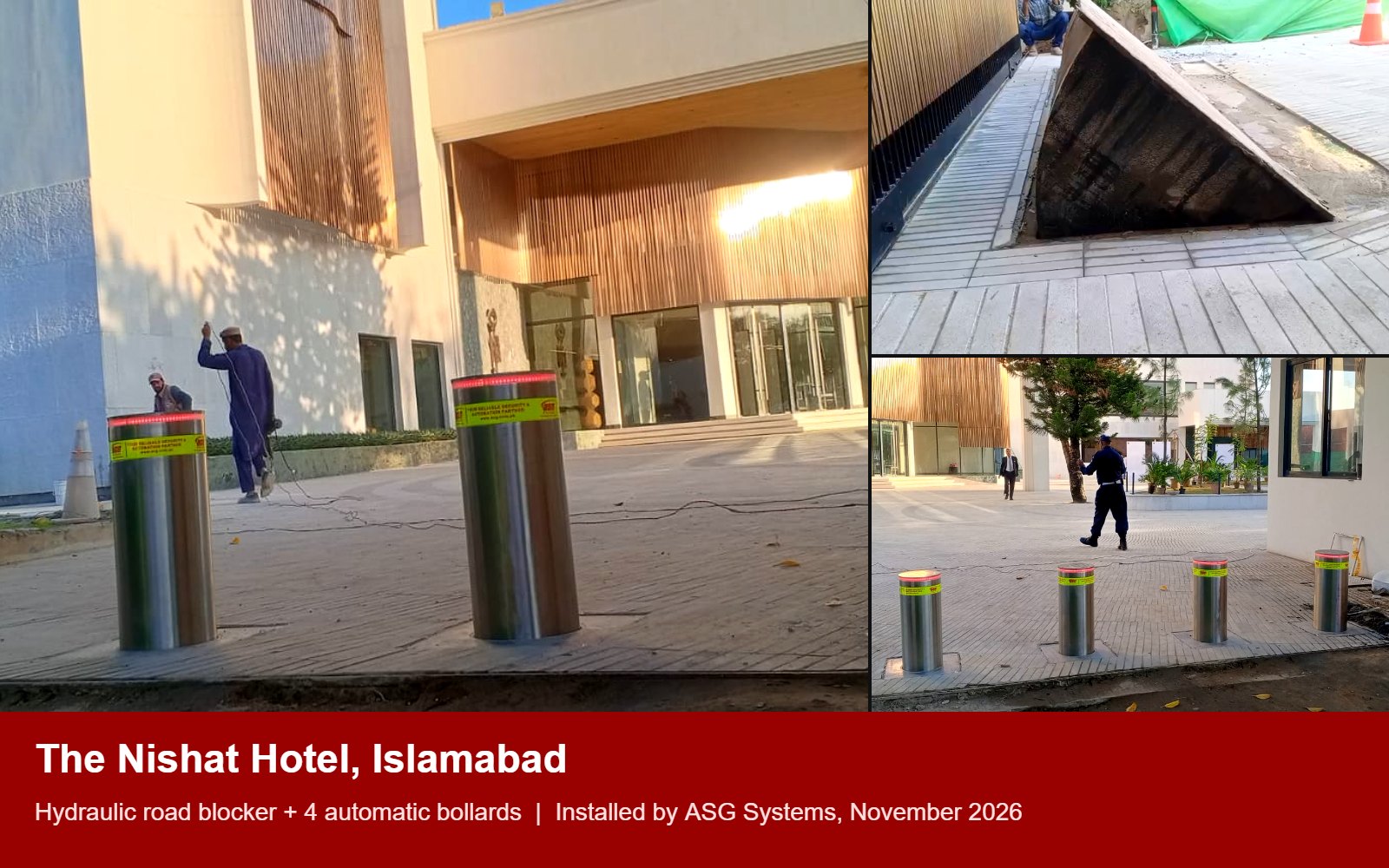
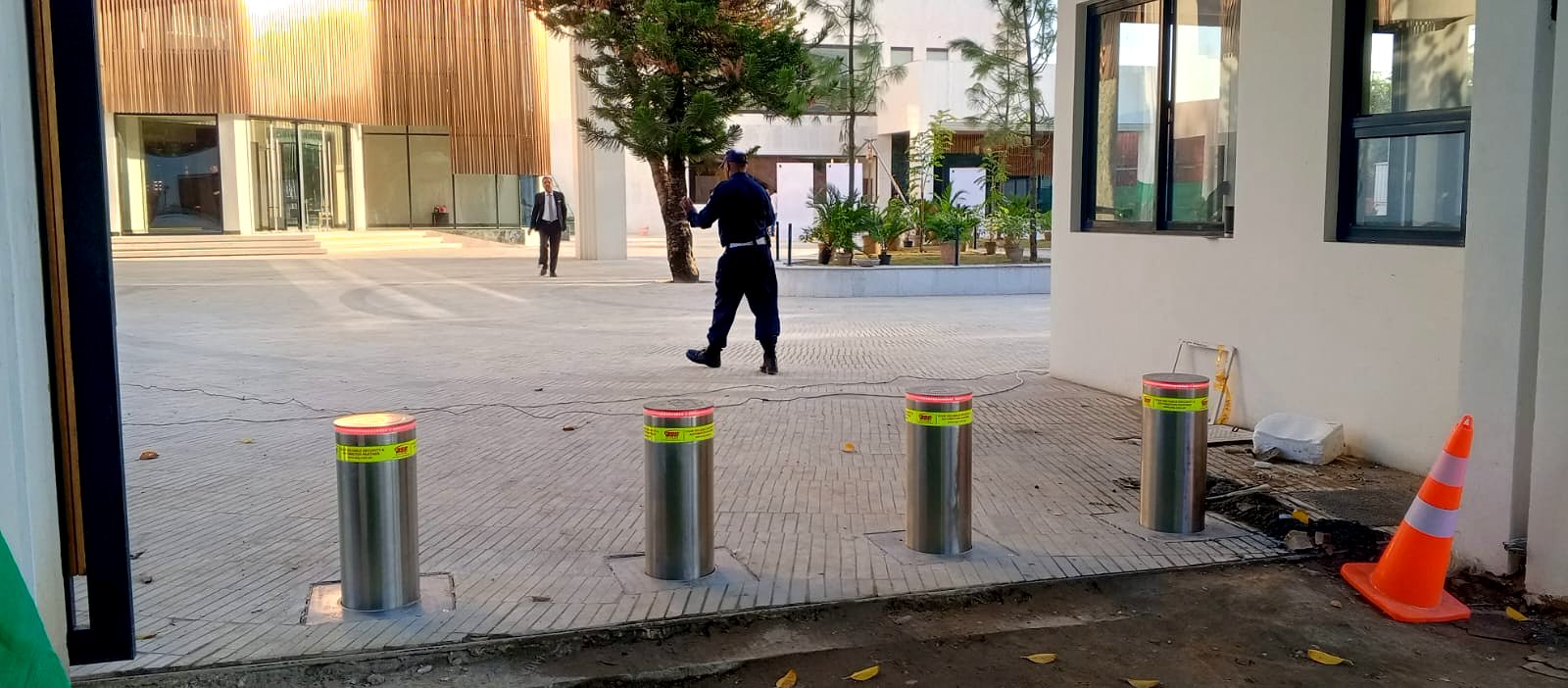
In November 2026 ASG Systems installed a hydraulic road blocker at the vehicle gate of The Nishat Hotel in Islamabad, together with four automatic bollards at the forecourt entrance. The road blocker gives security a hard stop at the gate, while the stainless steel bollards with red LED tops protect the forecourt and retract flush when an authorised car needs to pass. The result is strong, layered vehicle security that still looks right at a luxury hotel. Read the full Nishat Hotel case study.
How road blocker installation works
- Site survey: lane width, traffic, ground conditions, underground services and drainage.
- Selection: hydraulic or electro-mechanical, deep or shallow mount, and crash rating if needed.
- Civil work: excavating the pit, casting the foundation and laying drainage and cable ducts.
- Installation: setting the road blocker frame level with the road and installing the power unit and control panel.
- Safety and controls: loops, warning lights, signals and connection to access control or a guard push button.
- Testing and training: full testing, emergency mode checks and training for security staff.
Planning for Pakistani conditions
- Monsoon drainage: the pit must drain properly, or rainwater will damage the mechanism.
- Load-shedding: plan a UPS or backup so the road blocker can still be operated during power cuts, plus a manual release.
- Dust and heat: regular cleaning of the plate edges and servicing of the hydraulic unit keep it reliable.
- Maintenance contract: scheduled servicing is cheaper than emergency repairs at a busy gate.
What decides the cost?
The price depends on the type, lane width, crash rating, depth of installation, civil work, controls and integration with other systems. For a full breakdown, read our hydraulic road blocker price in Pakistan guide, or ask ASG Systems for a free site survey and an exact quote.
Get a road blocker installed
Since 1997, ASG Systems has supplied, installed and maintained road blockers, bollards and boom barriers across Pakistan, from offices in Islamabad, Lahore and Karachi. Our road blocker projects include Allama Iqbal International Airport, NDMA Headquarters and The Nishat Hotel. See our road blocker page for models and features, or contact ASG Systems for a free site survey.
Frequently asked questions
What is a road blocker?
A road blocker is a steel plate set into the road that rises to block the full lane and physically stop vehicles. When lowered, it sits flush with the road so authorised vehicles drive over it.
What is the difference between a road blocker and a boom barrier?
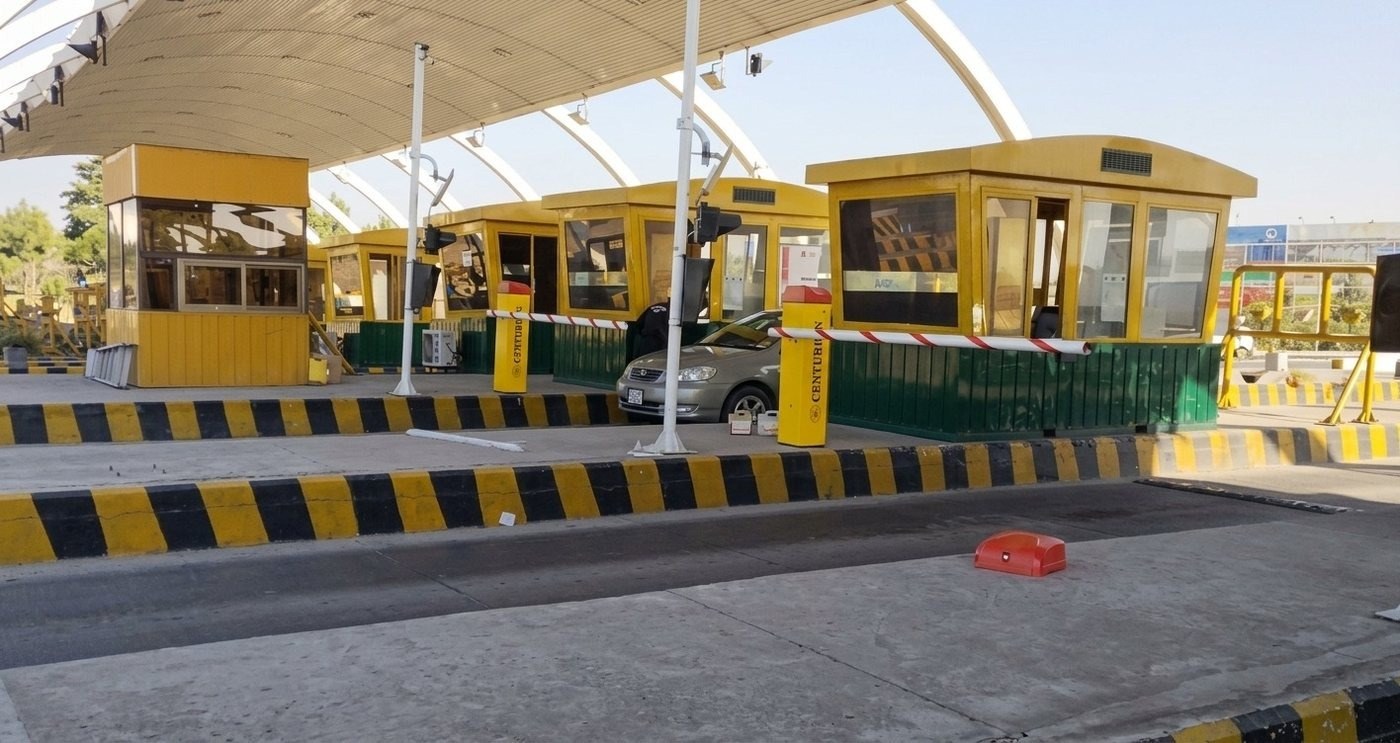
A boom barrier is an arm that controls traffic but cannot stop a vehicle that forces through. A road blocker physically stops the vehicle, which is why high-security gates use it, often together with a boom barrier.
Can a road blocker work during load-shedding?
Yes, if it is installed with a UPS or backup power. A manual release should also be provided so the plate can be operated during a power failure.
How long does road blocker installation take?
It depends on the site and civil work. The pit, foundation and drainage usually take the longest; installation, wiring and testing follow once the concrete has set. ASG Systems gives a timeline after the site survey.
Does ASG Systems install road blockers in Islamabad, Lahore and Karachi?
Yes. ASG Systems supplies, installs and maintains road blockers across Pakistan, with recent projects including The Nishat Hotel in Islamabad.